
Historical Roots and Significance of Funeral Processions

October 14, 2024

Share this article

Funeral processions are deeply rooted in history and hold immense cultural and symbolic significance. From ancient civilizations to modern times, they represent more than just a method of transporting the deceased; they are a profound way for communities to express respect, reverence, and grief. By understanding the evolution of funeral processions, we gain insight into how they have shaped and influenced various cultures, including the contemporary practices seen in cremation services in Mentor, OH.

Ancient Beginnings: Processions as a Public Act of Mourning

The origins of funeral processions date back to ancient Egypt and Greece, where they were integral to funeral rites. In Egypt, funeral processions were elaborate ceremonies reserved for the wealthy and royalty, often involving large groups of mourners, priests, and musicians. The procession would carry the body of the deceased through the streets in a symbolic journey to the afterlife. Similarly, in ancient Greece, funeral processions occurred before dawn, signifying the soul’s departure from the living world, followed by burial rites outside the city walls.

These early processions were private expressions of grief and public events that allowed communities to participate in mourning. They reinforced societal structures, often underscoring the deceased’s social status and the family’s place within the community. The public nature of the funeral procession provided collective closure and helped societies honor the dead with dignity and respect.

Funeral Processions in the Middle Ages: A Religious Journey

During the Middle Ages, funeral processions took on a deeply religious significance, particularly in Christian Europe. Death was viewed as a transition from earthly life to eternal rest in the afterlife, and the procession became a sacred act, symbolizing this passage. Led by clergy and accompanied by prayers, hymns, and the tolling of bells, the deceased was often carried from their home to the church and finally to the burial ground.

These processions reinforced the importance of religious rituals in death, with the community playing a pivotal role in guiding the deceased through the final stages of life. The journey to the church and burial site also became an essential spiritual metaphor, reflecting the path from mortality to salvation.

Processions in Various Cultures: Honoring the Dead

In many non-Western cultures, funeral processions carry similarly profound meaning. In Chinese traditions, processions are marked by elaborate displays of wealth and respect, involving family members and hired musicians to accompany the deceased. In Mexico, the “Día de los Muertos” (Day of the Dead) features colorful and lively processions that celebrate the lives of the deceased, blending indigenous and Catholic traditions.

The cultural diversity in funeral processions highlights the universal need to honor the dead while simultaneously reflecting each society’s unique customs and beliefs. Whether somber or celebratory, each procession serves as a communal remembrance, uniting people in shared grief and respect for the deceased.

Modern Funeral Processions: A Bridge Between Tradition and Contemporary Practice

While the traditions of funeral processions have evolved, their role in modern funerals remains significant. Today, funeral processions are still seen as a respectful tribute, whether in rural areas where families may walk from the church to the cemetery or in urban settings where a motorcade of cars follows the hearse. Seeing a funeral procession, particularly with vehicles traveling in a solemn convoy, evokes reverence among observers.

In many communities, these processions maintain their ceremonial importance by following routes with personal or cultural meaning for the deceased or their family. The procession’s journey reflects a final act of remembrance, helping loved ones tangibly process their grief.

As cremation becomes a more prevalent option in the U.S., funeral processions have adapted to include memorial services that honor the deceased before or after cremation. Even in these cases, the symbolism of the journey remains, whether through a traditional motorcade or in more personalized, smaller processions tailored to the family’s preferences. Funeral homes offering cremation must balance modern practices with time-honored traditions, ensuring families can bid farewell meaningfully.

cremation services in Mentor, OHThe Enduring Legacy of Funeral Processions
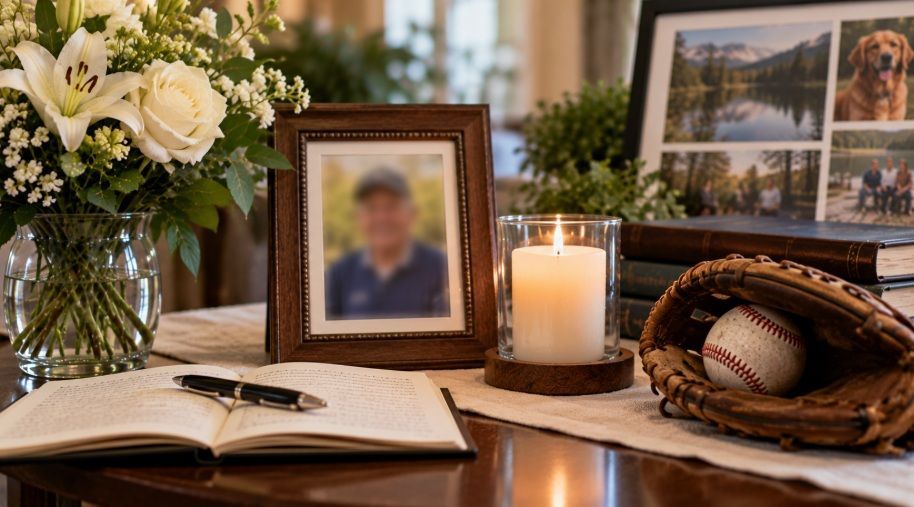
Despite the changes in funeral customs, the essence of funeral processions remains. They continue to provide a structured space for grief, honor, and reflection, allowing communities to come together to remember those who have passed. As part of our shared human experience, funeral processions—whether historical or contemporary—highlight the deep respect we hold for the deceased and the communal bonds that death reinforces.

Incorporating funeral processions into modern memorial services, even as cremation becomes more common, enables families to connect with this historical tradition while customizing the experience to suit their personal and cultural needs. Funeral homes, like Orlando-Donsante-Previte Funeral Home, understand the importance of blending tradition with modern practices to provide families with services that honor their loved ones and their unique wishes.

Recent Posts

Lit candle with white orchids creating peaceful setting, cremation services in Wickliffe, OH
May 25, 2026
Planning cremation services in Wickliffe, OH becomes easier with clear guidance and compassionate support. Call 440-943-2466 today.
Hand holding remembrance card with candles and flowers, funeral homes in Wickliffe, OH
May 18, 2026
Compassionate cremation services in Willoughby, OH create space for healing, reflection, and meaningful remembrance. Call 440-943-2466.
Peaceful memorial display with candles and flowers for reflection, cremation services in Willoughby,
May 11, 2026
Compassionate cremation services in Willoughby, OH create space for healing, reflection, and meaningful remembrance. Call 440-943-2466.
Warm, welcoming funeral home office display conveying compassion, funeral homes in Willoughby, OH
May 4, 2026
Compassionate care and clear guidance matter when choosing funeral homes in Willoughby, OH. Speak with us to discuss your options today.
Sunlight streaming through trees along forest path, cremation services in Willowick, OH
April 26, 2026
Flexible cremation services in Willowick, OH allow meaningful planning, personal tributes, and thoughtful remembrance. Call 440-943-2466.
Three lit candles with white flowers and petals, funeral homes in Willowick, OH
April 19, 2026
Personal details make funeral services in Willowick, OH more meaningful by honoring memories, traditions, and relationships. Call 440-943-2466.
Close-up of lit candle in darkness, cremation services in Wickliffe, OH
April 12, 2026
Compassionate care and clear guidance matter when choosing cremation services in Wickliffe, OH. Thoughtful support is available. Call 440-943-2466.
April 6, 2026
When individuals begin looking for funeral homes in Wickliffe, OH , they are often navigating one of life’s most emotional moments. The loss of a loved one brings many questions, decisions, and responsibilities that can feel overwhelming. During this time, compassionate guidance and steady support can make a meaningful difference.
March 23, 2026
When individuals begin researching cremation services in Willoughby, OH , they often want clarity, reassurance, and guidance. Cremation has become an increasingly chosen option because it offers flexibility while still allowing meaningful remembrance. Understanding what the process involves and how services can be arranged helps families feel more confident during a difficult time.
March 16, 2026
When individuals begin researching funeral homes in Willoughby, OH , they often want options that reflect personal beliefs, scheduling needs, and family traditions. Cremation has become a meaningful choice for many because it allows flexibility while still honoring a loved one with dignity. Families today are not looking for one standard format; they are seeking arrangements that reflect what matters most to them.
Show More